|
Translators will Translate Language …They are professionals and they know how to translate languages; however, a translation buyer should keep an eye on the translation process to avoid pitfalls. As unbelievable as it may sound, there is no guarantee that you will receive a quality translation even if you contact a reputable translation company with rigorous quality control procedures. Unless you participate in the process, you are not protected from the risk of substandard translation. Get involved and you will have a fair chance to get the translation you need. 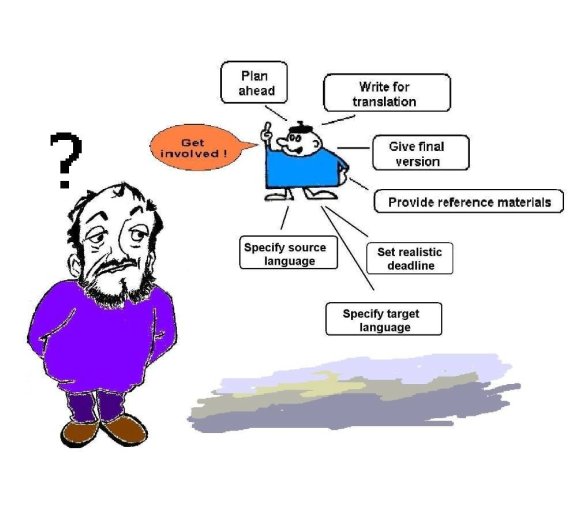
|

Not happy with the rates you pay for professional translation? Look for cheaper ways to translate your websites, blogs and articles? Try this translation software. Even though high-quality, professional translation is rather expensive and takes time to do. If you have neither enough time nor money to spend on professional translators, but are still interested in translation of your website or blog and quality is not of utmost importance to you, check if this software can help you.
Almost everyone would like to quit their day job, or work from home, or needs extra money. What if you could build for yourself an online business that could give a full-time income... With Site Build It! this dream can become a reality. I do not offer you another get-rich-quick scheme. I am talking about a complete and proven step-by-step process that will require your time and work. But it is a doable process that has given many people a new income and a shot at a new life. Here's some people who are doing it.
Site Build It! is more than just hosting or site-building. It provides all the tools you need for getting traffic, sending out e-mails, adding a blog, and monetizing your site. And you don't have to be a techie to use it. Want to learn more? Take the Video Tour. It will show you what I mean.
Invest the most Click, sit back, and The process works! I know because I've done it myself. You are reading now my site built with the help of Site Build It! tools. Two years ago I have jumped at the opportunity to turn my dreams to reality and have never regretted that decision. What stops you? You can give yourself this opportunity too! Site Build It! offers a No-Risk Money-Back Success Guarantee that means you have nothing to lose.
|